Alonejhon: A Flowing Handwritten Font for Creative Branding
There’s something magical about starting a brand board with a blank canvas. The quiet hum of the design software, the anticipation of what might emerge—this is where I first met Alonejhon. It wasn’t just another font in my library; it was a whisper of elegance and movement that felt like a natural fit for a boutique identity project I was working on.
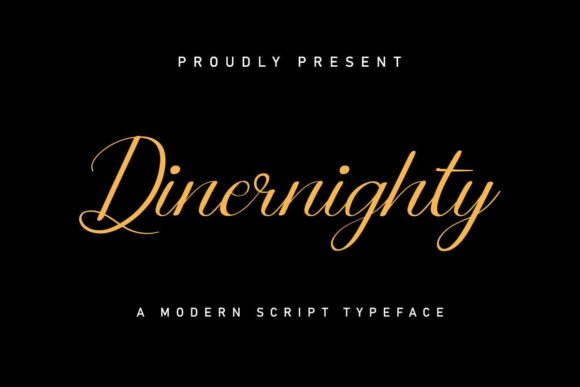
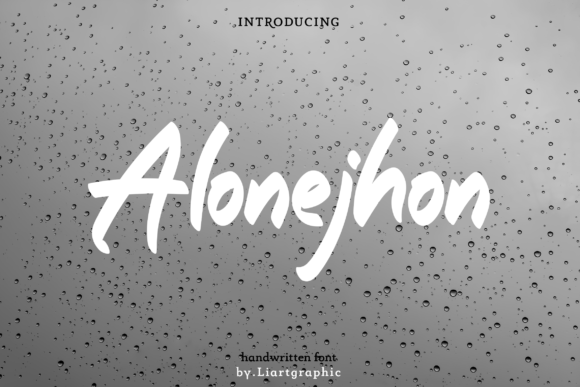
Alonejhon is a beautiful and flowing handwritten font. Its visual characteristics are unmistakable: soft curves, gentle loops, and a rhythm that feels personal, almost like a signature. This script font carries a warm, approachable personality that leans into the charm of handwritten communication without sacrificing style or sophistication. It’s not overly ornate, but it has enough character to stand out in branding applications where a touch of authenticity is key.
Testing Alonejhon in Real Design Scenarios
I tested Alonejhon across several design elements for a local bakery’s rebranding project. On the logo concept, it worked beautifully as a display font. The flowing script added a sense of warmth and community, which aligned perfectly with the bakery’s mission to create welcoming spaces for neighbors and friends.
When I placed it on a packaging mockup, it didn’t feel too formal or too casual. It had the right balance between decorative and legible, especially when paired with a clean sans serif font for supporting text. For a product label, the font’s readability remained intact even at smaller sizes, which is a rare find in script fonts.
On social media graphics, Alonejhon brought a friendly, inviting energy to Instagram posts and Facebook ads. It performed well in short phrases, such as “Freshly Baked” or “Daily Specials,” where its unique flourishes added visual interest without overwhelming the message.
Where Alonejhon Shines and Where It Might Not Fit
Alonejhon excels as a display font, headline font, or accent font in branding projects that prioritize personality over strict formality. It’s ideal for wedding invitations, stationery art, café signage, and creative studio identities. However, it may not be the best choice for long body text, small print, or highly formal corporate environments where clarity and uniformity are paramount.
In a web design context, Alonejhon can work well in hero sections or call-to-action buttons if used sparingly. But it’s important to ensure it doesn’t compromise readability, especially for users with visual impairments or those accessing content on mobile devices.
Font Pairing and Practical Considerations
When pairing Alonejhon with other typefaces, I found that a modern sans serif font like Montserrat or Lato provided a great contrast. The combination felt balanced, with Alonejhon taking center stage while the sans serif handled the more functional aspects of the design.
It’s also worth noting that Alonejhon comes with a range of styles and alternates, offering flexibility for different design needs. However, before using it in client work, always check the commercial licensing terms to ensure it aligns with your intended use—whether for brand identity, packaging, templates, websites, or print-on-demand products.
For designers looking to test Alonejhon before committing, I recommend experimenting with it in various contexts. Try it on a business card, a website header, and a poster mockup. See how it behaves in different sizes and color contrasts. This will help you understand its strengths and limitations before applying it to final deliverables.
Alonejhon isn’t just a font—it’s a design tool that brings emotion and character to your brand. Whether you're crafting a logo, designing packaging, or updating your social media presence, this script font from Script Amp offers a versatile and stylish solution that feels both modern and timeless.